Window Replacement Help for First-Time Homeowners
Request an estimate to get started
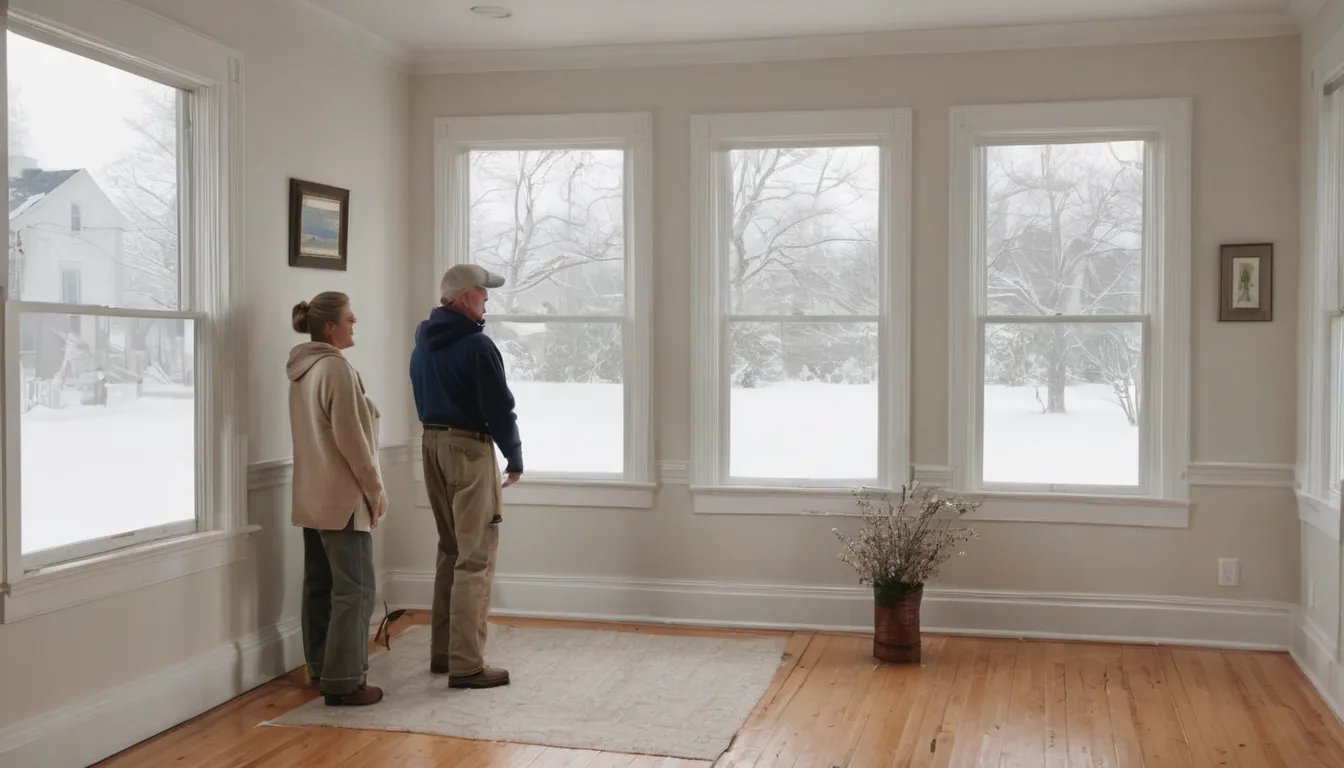
Foggy glass, cold drafts and windows that stick can leave a first-time homeowner unsure where to begin. That worry is normal. Factbusy Windows & Siding is a referral service, not a contractor. We explain the basics in plain words, then connect you with independent providers in our network who handle the work.
This page walks you through home window replacement one step at a time. You will learn the warning signs, the main replacement types, what install day looks like, and what to ask before you commit. Requests are for replacement, not repairs, and for two or more windows. A well-done job protects your home and its value for years in the Philadelphia area.
Windows Failing? Start Here
A fogged pane, a cold draft or a sash that will not stay up can feel scary when you have never dealt with it before. Take a breath. This is a common home project, and you can learn the basics in a few minutes.
Factbusy Windows & Siding is a referral service. It connects you with independent local providers who do the work. Requests are for window replacement, not repairs, and for two or more windows.
What Needs Attention First
Look for anything that affects safety or lets weather inside. Broken glass, a window that will not latch, or water coming in during a storm all come first. Cover the spot with plastic sheeting if you can, keep kids and pets away, and take photos. Then Request a callback to check provider availability.
Signs It Is Time to Replace Your Windows
Not every old window needs to go. But some signs say repair is no longer enough. Here are the common ones.
Drafts and Cold Rooms
Hold your hand near the frame on a windy day. If you feel moving air, heat is leaking out. In cold snowy winters, that means rooms that never feel warm and a furnace that works harder.
Fog Between the Panes
Cloudy glass that will not wipe clean usually means the seal has failed. The insulating gas has escaped. The window no longer does its job, even if it still opens.
Rot, Warping and Sticking
Press a screwdriver tip gently into a wood sill. If it feels soft, moisture has been getting in. Frames that swell, twist or stick often tell the same story, especially after many freeze-thaw cycles.
Rising Energy Bills
If heating costs keep climbing and you have already sealed the obvious gaps, old windows may be part of the reason. Energy efficient windows can help hold in warmth and keep out cold air.
Insert vs. Full-Frame Replacement
Providers usually talk about two methods. Knowing the difference helps you follow the quote.
Insert Replacement
A new window fits inside your existing frame. The trim and siding around it stay in place. It is quicker and neater, and it works well when the frame is still square and dry.
Full-Frame Replacement
The whole window comes out, frame and all. The provider can then check the wall opening for hidden rot or gaps, fix them, and add proper flashing. It costs more, but it makes sense when the frame is damaged.
Choosing Materials and Styles
Vinyl is common because it needs little upkeep and often costs less. Wood looks warm and classic, but needs paint or stain. Fiberglass holds its shape well in hot and cold swings. Aluminum-clad wood mixes looks with weather protection.
Style matters too. Double-hung windows suit many older homes. Casements crank open and seal tight. Sliders are easy to use. Ask which style fits your rooms and your budget.
Energy Efficient Windows, Explained Simply
Look for double or triple panes, a low-E coating and a tight frame. Low-E is a thin layer on the glass that helps keep heat where you want it. Ask the provider for the rating label and compare it with local climate advice. Do not assume a higher price always means a better fit.
What to Expect on Install Day
The provider usually starts by protecting your floors and moving furniture back from the windows. Old units come out, the opening is checked and cleaned, and the new window is set level and sealed. Then trim and insulation are finished.
Expect noise and some dust. Plan for open window openings for a short time, so choose a mild-weather day if you can. A typical home can take one to a few days, depending on how many windows there are.
Older Homes and Special Cases
Older housing stock often has odd sizes, thick walls and old paint. Capes, multi-family buildings and stone or block foundations can all bring surprises. A provider should measure each opening, not assume they match.
Basement and Foundation Windows
Full basements often have small windows set in stone or block. These need careful sealing to keep out snowmelt and ground moisture. Ask how the provider will flash and seal them.
Old Paint and Trim
Very old homes may have lead paint. If your home was built long ago, ask the provider how they handle it safely.
How the Right Job Protects Your Home's Value
Well-fitted windows keep water out of walls, which protects the structure. They also improve comfort and curb appeal. Buyers notice tidy, working windows when they tour a house. Protect what you own by choosing careful work over a rushed one.
Some providers also work as residential siding contractors. If you are considering vinyl siding later, mention it, since the two jobs can meet at the trim.
Questions to Ask the Provider
Ask before you commit. Keep the list short and write the answers down.
- Is the quote in writing, with the brand, size and type of every window?
- Will you use insert or full-frame replacement, and why?
- How do you flash and seal the openings?
- Who handles cleanup and disposal of old units?
- What warranty comes with the windows and the labor?
- How is payment scheduled?
Your Next Step
You do not need to know everything to begin. Share how many windows you have and what you are seeing. A local provider can then talk through options and give you a written quote with no obligation.
What's Included
Plain Explanations
We explain window terms in simple words so you can follow every quote.
Local Providers
You are connected with independent providers in our network who handle the actual work.
Written Estimates
Providers can put the scope, materials and price in writing so you can compare.
No Obligation Start
Ask your questions and review an estimate before you decide on anything.
Typical Window Replacement Costs
Prices vary a lot by window size, material, home age and how many units you replace. These are typical U.S. ranges per window, not quotes. Always get a written quote.
| Item | Typical range | Notes |
|---|---|---|
| Vinyl insert window | $450 – $1,200 | Common, lower upkeep, fits sound frames |
| Full-frame replacement | $800 – $2,500 | Includes frame, trim and sealing work |
| Wood or fiberglass window | $900 – $2,800 | Better looks or stability, higher price |
| Energy efficient upgrade | $700 – $2,000 | Low-E glass, more panes, tighter seals |
| Bay or bow window | $2,000 – $7,000 | Larger, more labor and framing |
| Basement window | $300 – $1,200 | Depends on foundation and sealing needs |
How It Works
Share Your Situation
Tell us how many windows you have and what problems you are noticing at home.
Get Connected Locally
We connect you with an independent provider in our network who serves your area.
Review a Written Estimate
Compare the window type, materials, scope and price, and ask any questions you have.
Schedule Your Install
If you choose to move forward, you and the provider agree on a date and details.
Why Call Factbusy Windows & Siding
Plain Guidance
Everything is explained in simple words, so a first-time homeowner can ask basic questions without feeling rushed.
Local Providers
Independent providers in our network know local weather, older homes and the common problems they cause.
Clear Quotes
You are encouraged to get written estimates, so scope and materials are easy to compare side by side.
Home Protection
The goal is careful work that protects your house, keeps weather out and supports future resale value.
Other Services
Need window replacement in Philadelphia?
Have a question about windows or siding? Send a request or email contact@factbusy.living. A local provider can follow up with next steps and a written quote.
No obligationWindow Replacement FAQ
How do I know if I should replace my windows?
Common signs include drafts, fogged glass, rot, sticking sashes and rising energy bills. If problems affect several windows, replacement often makes more sense than patching. A provider can look and explain your options.
How long does home window replacement take?
Many providers finish a single window in about an hour or two. A whole house can take one to a few days, depending on the number of windows, the type of replacement and the weather.
Are energy efficient windows worth the extra money?
They can help reduce heat loss and make rooms feel more even, especially in cold climates. Savings vary by home. Ask providers to compare ratings and give written quotes for each option.
Get in touch
Have a question about windows or siding? Send a request or email contact@factbusy.living. A local provider can follow up with next steps and a written quote.
No obligation